Creator collaborations
Sponsored-content disclosure: a checklist for Singapore collaborations
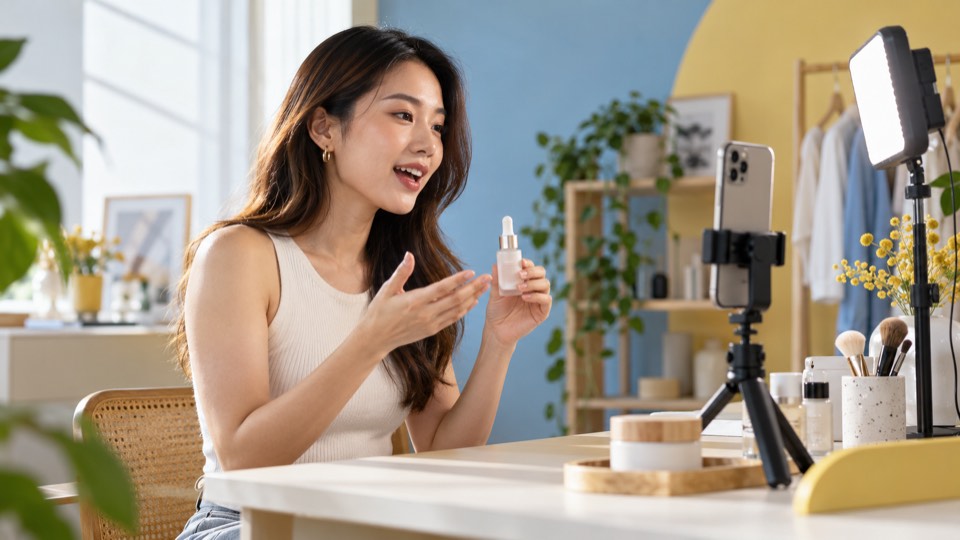
A viewer should be able to recognise a commercial relationship without having to investigate it. Agree the disclosure approach before the content is made.
Identify the commercial relationship
A collaboration can involve payment, free products, hosted visits, affiliate benefits or another material incentive. Do not assess disclosure only by asking whether cash changed hands. The relevant circumstances and the content itself matter.
Use clear, visible language
Review the Advertising Standards Authority of Singapore’s social media guidance. Select wording that plainly identifies the relationship and place it where the audience will notice it. Avoid relying on ambiguous thanks, a distant profile note or a disclosure hidden among unrelated tags.
Match the format
Consider how the viewer encounters a story, short video, live stream or carousel. A disclosure should remain understandable in that format. Use the social platform’s branded-content features when appropriate, and check whether additional wording is needed to make the relationship clear.
Keep claims accurate
Disclosure does not make an unsupported claim acceptable. Brands should provide support for factual product claims. Creators should describe their experience honestly and should not imply results or qualifications they cannot substantiate. Extra requirements can apply to regulated products and services.
Put responsibilities in the brief
- Describe the compensation or benefit.
- Agree the disclosure wording and placement.
- Identify the person who checks the final content.
- Record supporting information for material product claims.
- Check the platform’s current rules before publication.
- Keep the accepted brief and publication evidence.
Do not promise campaign outcomes
Follower counts, views and engagement do not guarantee sales or future reach. Share data with its source and date, distinguish estimates from measured results, and avoid presenting a self-reported metric as independently verified.
This guide is a practical starting point, not a certification of compliance. Requirements depend on the campaign, product, audience and platform. Read the current ASAS guidance and seek advice where needed.